

Understanding the mechanics of popular gambling games A beginner’s guide
Introduction to Gambling Mechanics
Gambling games have intrigued players for centuries, combining chance, skill, and strategy. Understanding the mechanics behind these games is essential for both novice and seasoned gamblers. Key concepts such as odds, probabilities, and the rules of play form the foundation of successful gambling. Grasping these elements allows players to make informed decisions, enhancing their overall gaming experience, especially when exploring online poker sites.
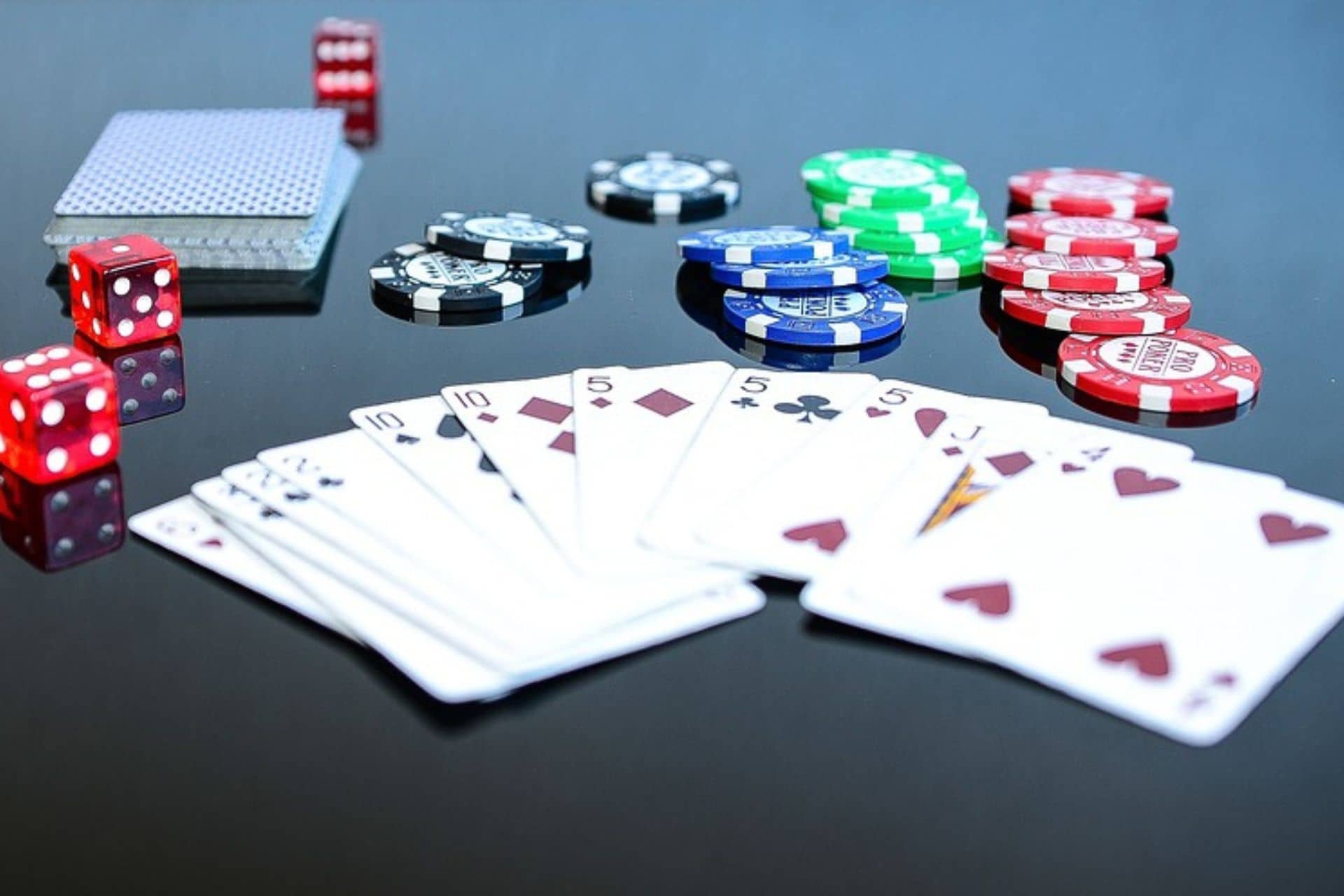
Different gambling games, whether card games, slots, or sports betting, operate on unique mechanics. By delving into the underlying principles, players can demystify the allure of gambling. This guide aims to simplify these concepts for beginners, enabling them to navigate their gaming choices with confidence.
Odds and Probabilities Explained
Odds represent the likelihood of a particular outcome occurring in a gambling game. They are typically expressed as ratios or fractions. For example, if a game offers odds of 5:1, it indicates that for every one time the event occurs, it is expected not to occur five times. Understanding odds is crucial because it directly affects potential payouts and the overall risk involved in betting.
Probabilities, on the other hand, provide a numerical expression of how likely an event is to happen. It is calculated by dividing the number of favorable outcomes by the total number of possible outcomes. By grasping both odds and probabilities, players can gauge the risk versus reward in different games, helping them make better betting choices.
Popular Gambling Games: Mechanics and Strategies
Among the most popular gambling games are poker, blackjack, and roulette. Each of these games has unique mechanics that require different strategies. In poker, for instance, players must not only rely on the luck of the draw but also on their ability to read opponents and manage their chips effectively. Understanding hand rankings and betting strategies is crucial for success.
Blackjack is another game that blends luck with skill. The objective is to beat the dealer by obtaining a hand value closer to 21 without exceeding it. Players must learn when to hit, stand, or double down, all while being aware of the odds associated with different cards. Roulette, on the other hand, is a game of chance where players bet on where a ball will land on a spinning wheel. Understanding the types of bets and their associated odds can enhance players’ chances of winning.
The Role of House Edge
The house edge is a critical concept in gambling, referring to the advantage that the casino or operator has over players. This percentage reflects the average profit the casino expects to make from each game. For instance, if a game has a house edge of 5%, the casino expects to keep 5% of all bets made over time. Understanding the house edge helps players assess which games are more favorable to them.
Players should consider the house edge when choosing games, as it influences their long-term success. Games with lower house edges generally offer better odds for players. However, it’s important to remember that all gambling inherently carries risks, and understanding the house edge can aid in making more strategic decisions when placing bets.

Conclusion: Your Path to Responsible Gambling
As you embark on your gambling journey, remember that understanding the mechanics of the games you play is vital. Knowledge about odds, probabilities, and house edge can enhance your gameplay and improve your chances of success. While gambling can be a thrilling experience, it is essential to approach it responsibly, set limits, and play for enjoyment.
This beginner’s guide is just the starting point. As you continue to explore the world of gambling, you’ll discover more nuances and strategies that can enrich your experience. Always prioritize responsible gaming practices to ensure that your gambling remains enjoyable and within your means.